Cause and Effect PR designed and implemented the media launch on the 20th July for the newly refurbished Victorian Ripon Workhouse Museum, securing national, regional and local media.
Major new visitor experience brings Victorian stories of poverty, justice and survival to life
Ripon’s Newly Transformed Workhouse Museum Opens to the public, 21 July.
Step into the shoes of Victorian paupers, vagrants and workhouse children this summer as the newly transformed Workhouse Museum in Ripon opens following a £2.8 million redevelopment.
Through hands-on activities, interactive displays and powerful storytelling, visitors will discover what life was really like inside one of Britain’s most complete surviving Victorian workhouses.
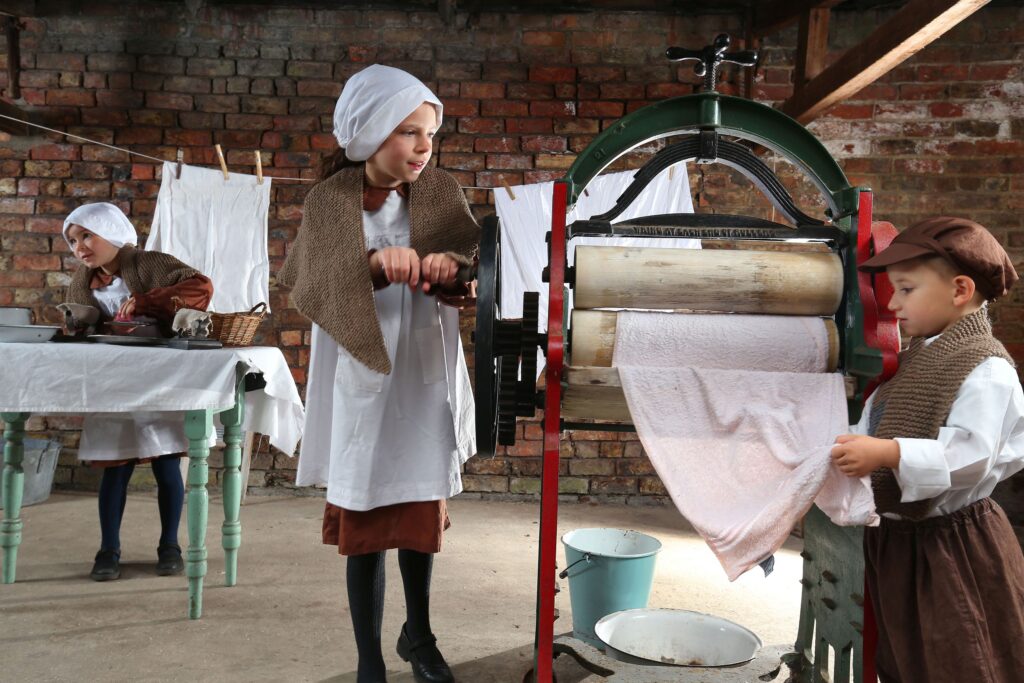
The new and expanded museum trail takes visitors on an immersive journey telling the individual stories of past residents, who entered the workhouse gates as a last resort.
The reopening marks the culmination of extensive conservation and restoration work undertaken as part of the Inspiration for a Fairer Future project, funded by The National Lottery Heritage Fund. Other supporters include The Wolfson Foundation, Garfield Weston Foundation and North Yorkshire County Council.
The largest building on the workhouse site, the Residents’ Block, where paupers ate, slept and worked, has had a complete and sensitive restoration as part of the project. This building had been acquired by Ripon Museum Trust in 2017, but was in a state of disrepair after years of changing uses such as a care home and council offices.
The National Lottery Heritage Fund support has allowed Ripon Museum Trust to fix the leaking roof and rotten windows, alongside reinstating historical features to restore its authenticity.
Revamped rooms include the Old Men’s Day Room, Kitchen and Dining Hall, and the original workhouse cellar has been opened up for the first time.
Dr Laura Allan, curator at Ripon Museums Trust, said: “The cellar is particularly exciting as it’s the only part of that building that had been untouched since it was turned into council offices. It has the massive original meat block table where the workhouse pigs would be butchered, trough and sink. It’s like glimpsing behind the curtain, seeing how it truly was.”
The hands-on visitor experience is designed to be a unique thought-provoking and engaging day out.
Alexa Vernon, Director of Ripon Museums Trust, said: “We’ve transformed the workhouse into a powerful, immersive experience where visitors can step into the shoes of real people who lived through extraordinary hardship. Their stories challenge us to think about fairness, dignity and opportunity, both in Victorian Britain and today.
“This project is about much more than restoring a historic building. It is about preserving important heritage, creating opportunities for communities and young people to engage with history, and inspiring visitors to reflect on how we can build a fairer future.
“We want people to leave feeling not only informed, but also more compassionate, thoughtful and connected to the stories of those who came before us.”
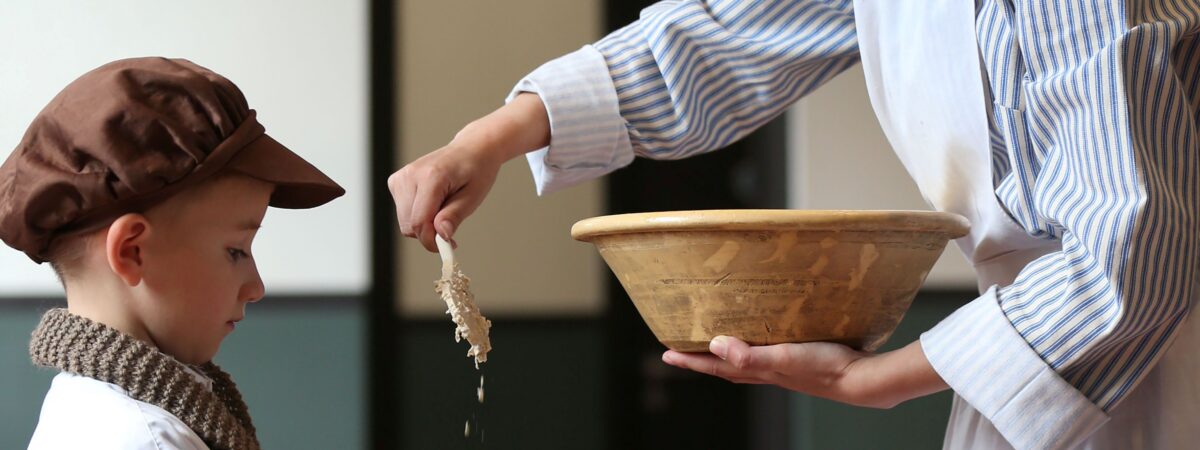
Asking the public, ‘Could you survive the workhouse?’ visitors have the option to be shut inside a vagrants’ cell and listen to the sounds of a night spent behind its locked door. They can also try their hand at sweeping the yard, picking oakum from old ropes, and discover whether they are up to the jobs that filled the days of paupers and workhouse children.
Young visitors can search for hidden mice in the kitchen, use traditional weighing scales to portion out meagre meals, and discover what fate might await them by spinning an interactive wheel in the Guardians’ Room. Families can even dress in replica workhouse uniforms for a photo as they imagine life inside one of Victorian Britain’s most feared institutions.
The reopening introduces new spaces for creativity and community participation, including the museum’s Discover Space, where visitors can explore connections between past and present through exhibitions, conversations and creative activities.
Helen Featherstone, Director, England, North at The National Lottery Heritage Fund, said: “The redevelopment has secured the future of one of Britain’s most complete surviving Victorian workhouses, preserving both the building and the stories it holds for future generations. We’re incredibly proud to have been able to support the project thanks to money raised by National Lottery players and it is now creating opportunities for volunteering, learning and skills development, ensuring the museum remains relevant and accessible to all.”
The Workhouse Museum is part of Ripon Museums Trust’s unique trio of museums – all located within easy walking distance of each other.
Visitors can continue their journey following the path many people took through the systems of poverty, crime and punishment in Victorian Yorkshire at the Prison & Police Museum and Courthouse Museum.
In the Courthouse, visitors can stand where magistrates passed judgement, while the Prison & Police Museum invites them to step inside original prison cells.
Together, the three museums tell a powerful story about justice, fairness and social change, encouraging visitors to consider what lessons the past can offer in building a fairer future.
The redevelopment also strengthens Ripon’s position as a heritage destination, contributing to the city’s cultural life and attracting new visitors to North Yorkshire.
For opening times, tickets and events, visit https://riponmuseums.co.uk
For further media information contact:
Ann –ann@causeuk.com M: 0753 489 2715
About the Renovation
The £2.8 million restoration of Resident’s Block is part of the wider £3.3 million ‘Inspiration for a Fairer Future’ project. The project includes heritage conservation, new interpretation, youth engagement, community participation, collections care and learning activities designed to inspire reflection on contemporary social issues.
To find out more about the project please visit Inspiration for a Fairer Future Project – Ripon Museums.
This project has been made possible due to generous funding from:
The National Lottery Heritage Fund is the largest funder for the UK’s heritage. Using money raised by National Lottery players we support projects that connect people and communities to heritage. Our vision is for heritage to be valued, cared for and sustained for everyone, now and in the future. From historic buildings, our industrial legacy and the natural environment, to collections, traditions, stories and more. Heritage can be anything from the past that people value and want to pass on to future generations. We believe in the power of heritage to ignite the imagination, offer joy and inspiration, and to build pride in place and connection to the past.
North Yorkshire County Council allocated funding from the UK government’s Shared Prosperity Fund (UKSPF) to improve pride in place and increase life chances across the UK investing in communities and place, supporting local business and people and skills.
The Wolfson Foundation is an independent grant-making charity with a focus on research and education. Its aim is to contribute to civil society by supporting high-quality projects in science, health, heritage, humanities and the arts. Since it was established in 1955, the Wolfson Foundation has awarded over £1 billion (£2 billion in real terms) to around 14,000 projects throughout the UK, all on the basis of expert review.
Garfield Weston Foundation is a family founded grant-maker that gives money to support a wide range of charities across the UK. In total we donate around £100 million each year. We support a wide range of charities that make a positive difference, working in different sectors in the UK. These include welfare, youth, community, environment, education, health, arts, heritage and faith.
The Headley Trust was founded in 1973 by Sir Timothy Sainsbury. It is one of 17 Sainsbury Family Charitable Trusts. The Headley Trust makes grants of around £5 million a year, largely in the Arts and Heritage field. Among its priority areas are museums and galleries, particularly those operating in the regions. The trustees particularly wish to support the professional development of curators, as well as the display, study and acquisition of British ceramics and the conservation of industrial, maritime and built heritage. See The Headley Trust – The Sainsbury Family Charitable Trusts (sfct.org.uk) for information about the full range of the trust’s interests.
The Foyle Foundation was established in 2000 as an independent grant making trust to distribute grants to U.K. based charities (primarily arts and learning) and schools. The Foundation’s long planned spend down and closure takes place in December 2025 by when it will have distributed over £180M in total, including a number of legacy projects with long-term benefit.