A new Durham Energy Council (DEC) which will consist of up to 30 local people aged between 18 and 80, from former miners communities, aims to reignite the collective strength and activism mining communities once held.
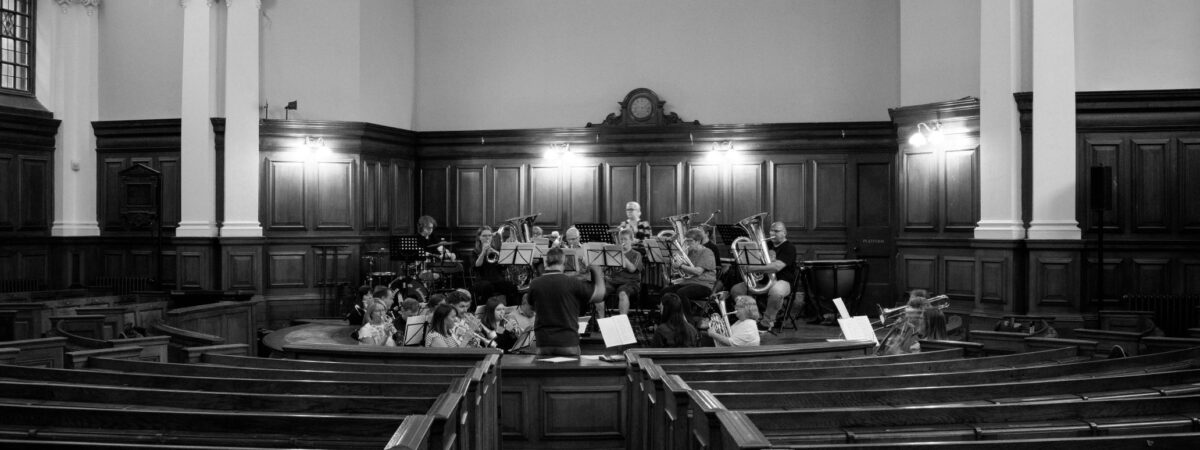
The DEC is a voluntary group and is hosting its inaugural panel event at Redhills Durham Miners’ Hall – home of the once powerful Pitman’s Parliament – during a landmark conference on renewable energy transition in the Grade II listed building.
The aim of the Council is to ensure the voices of local communities are heard when it comes to discussing the future of our energy systems.
The conference, which takes place 3-4 November, includes influential figures including the Minister for Industry, Chris McDonald, the head of the UK’s Mission for Clean Power, Chris Stark CBE and Dr Fiona Hill, Chancellor of Durham University and daughter of a coal miner.
Redhills, once considered a symbol of democracy in action and known locally as ‘Durham’s other cathedral,’ recently underwent a £14m restoration.
Opened in 1915, paid for by the subscriptions of 200,000 members of the Durham Mining Association, it was a palace for miners built in the Edwardian Baroque style.
Ross Forbes, Director of Programme at the Durham Miners’ Association, said: “It was built as a statement of power, no expense was spared, and it was akin to the kind of mansions the coal owners would have had. The building was an epic act of empowerment for the working-classes.”
The Pitman’s Parliament situated in the building served as a powerful democratic space for miners to discuss and decide on matters affecting their lives and communities.
Ross Forbes added: “It forever changed the lay of the land, and the Pitman’s Parliament drove through developments in social reform, including life-saving workers’ rights and the minimum wage.”
The Durham Energy Council was convened by the climate hope organisation, Threads in the Ground, Blackhall Community Centre, and the Durham Energy Institute.
A writer-in-residence, Newcastle’s award-winning Susannah Ronnie, has been commissioned to create a new Energy Manifesto with the Durham Energy Council, inspired by the Durham Miners’ Association motto: The past we inherit, the future we build.
The manifesto will be designed and printed in collaboration with Foundation Press, and be presented to influencers across politics, industry, and academia in April 2026.
Adam Cooper, Director of Threads in the Ground, said: “It’s fitting that the new Durham Energy Council will host this event in the building considered a symbol of democracy in action. We are at a crucial time in history where the decisions we make about our energy infrastructure will have critical impact on future generations.”
He added: “Sceptics and opposing views have been welcomed to the council – we need real dialogue on these complicated issues. The energy infrastructure being planned and built right now will come to define our country – much as our coal infrastructure did in the past. We want to ensure that our communities, who carry so much ancestral knowledge – can walk alongside the people building and planning our energy future for the benefit of all.”
The panel event will feature six members of the Durham Energy Council alongside Adam Cooper and Alison Paterson, General Manager of the Blackhall Community Centre.
The Councillors will perform a joint reading of the Durham Energy Manifesto opening statement before a panel discussion around the idea of reawakening Durham’s traditions of energy democracy, and audience Q&A.
The period of significant miners’ power, built through unions like the Durham Miners’ Association, peaked through the 20th century but declined with the closure of mines.
About Threads in the Ground
Threads in the Ground is a climate hope organisation dedicated to unearthing powerful climate stories to inspire action for future generations.
Their goal is to engage communities through arts, culture, and education, aiming to involve 8 million people in climate hope by 2030. Their initiatives include unique projects like the world’s first fungal sculpture trail and various community engagement activities focused on sustainable practices.
About Durham Energy Council
Durham used to be a centre of power in the UK.
At Redhills, the Pitman’s Parliament, representatives from each pit village would come to explore and debate policy and law. Durham folk were shaping the energy system that we have inherited today.
What would it be like to reawaken that heritage?
Durham Energy Council aims to recruit 30 Durham citizens to explore and shape what our energy system could be.
This group of people from across County Durham will become Durham Energy Councillors.
The Councillors will work with a writer-in-residence to create the Durham Energy Manifesto – a powerful document which will be read and heard by policymakers, politicians, and industry leaders across our region and nationally.
Writer-in-Residence: Susannah Ronnie
Susannah is an interdisciplinary writer, artist and researcher who has experience of working with a wide range of communities across the north east and a particular interest in amplifying lesser-heard voices and stories. Susannah has a PhD in Creative Writing; won a Northern Writers’ Award for her first full-length poetry collection; and has written both audio and stage scripts. As a New Writing North Creative Associate, she recently completed a historical novel.
About the venue: Redhills
Redhills opened in 1915 and paid for by subscriptions from more than 150,000 Durham miners, serves as a powerful setting for discussions about energy transition and community regeneration. The venue’s Pitman’s Parliament, where elected delegates from Durham’s collieries met for generations, embodies both the region’s proud industrial past and its aspirations for renewal.
About Durham Energy Institute (hosting the conference on renewable energy: 3-4 Nov)
DEI is a world leader in interdisciplinary research across the sciences, social sciences, humanities, and engineering. Established as one of the first truly interdisciplinary energy research institutes in the UK, DEI brings together expertise to address the complex challenges of energy transition, climate change, and sustainable development.
visit www.redhillsdurham.org/event/dei-conference
For further media enquiries contact Ann, ann@causeuk.com m 0753 489 2715.