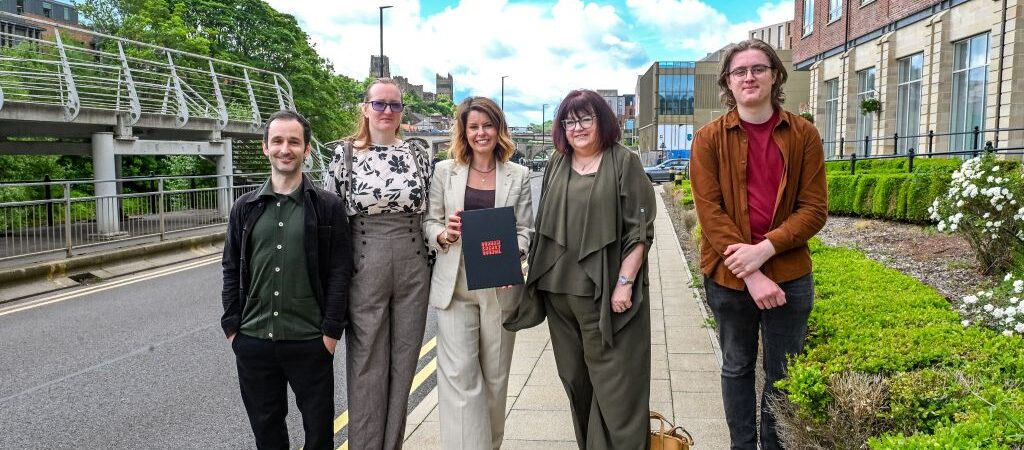
A new citizens’ manifesto calling for a fair, community-led energy transition has been launched by the Durham Energy Council today (11 June).
Durham Energy Council consists of local volunteers aged 18 to 85 from former mining communities. Its goal is to ensure working-class voices have a meaningful voice in the UK’s renewable energy transition, and help ensure economic benefits of the shift to renewables stay local.
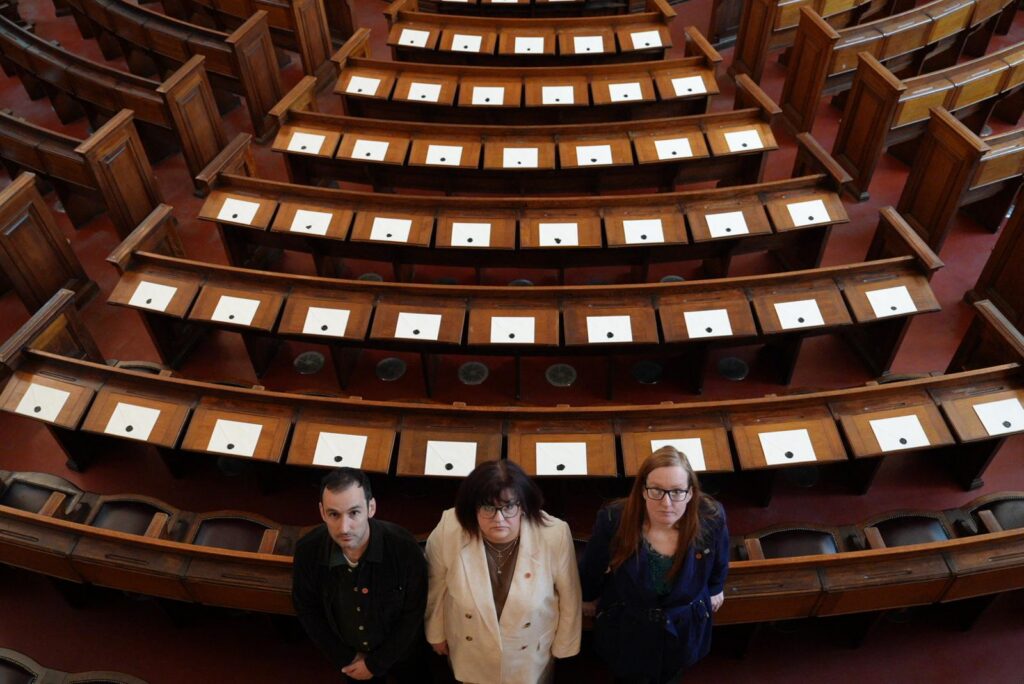
Cause and Effect PR managed the media launch at Redhills today (11 June), look out for BBC and other regional coverage.
It is expected that 25,000 new energy jobs will be created by 2035 with as many as 460 new turbines created just off the North East coast.
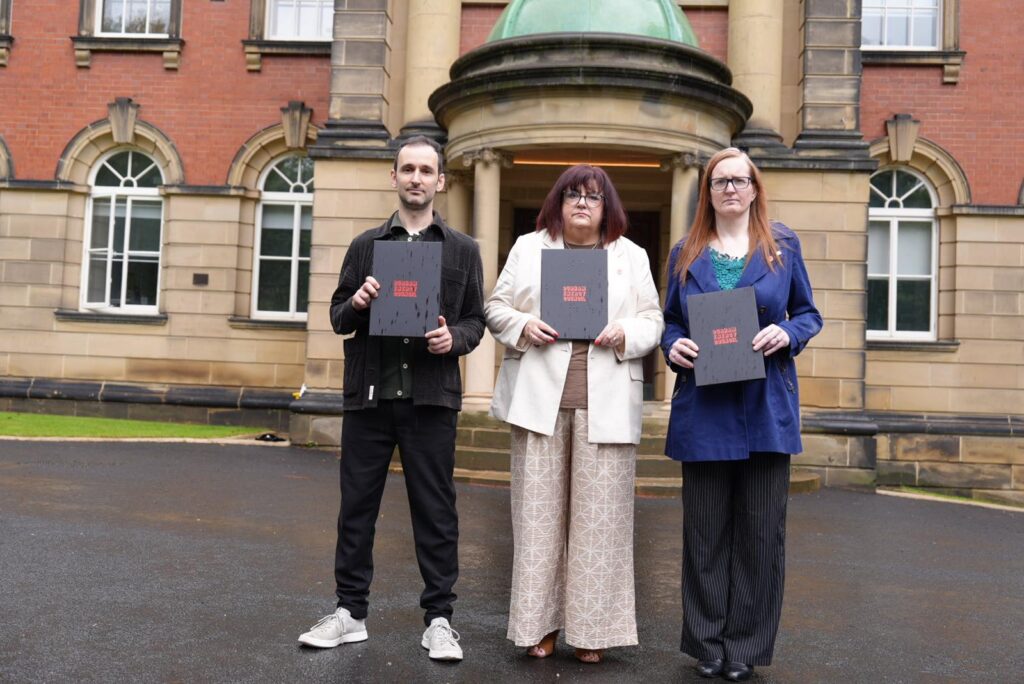
The Durham Energy Manifesto, sealed with coaldust, is being sent to the top 100 Most Powerful North East Energy Influencers.
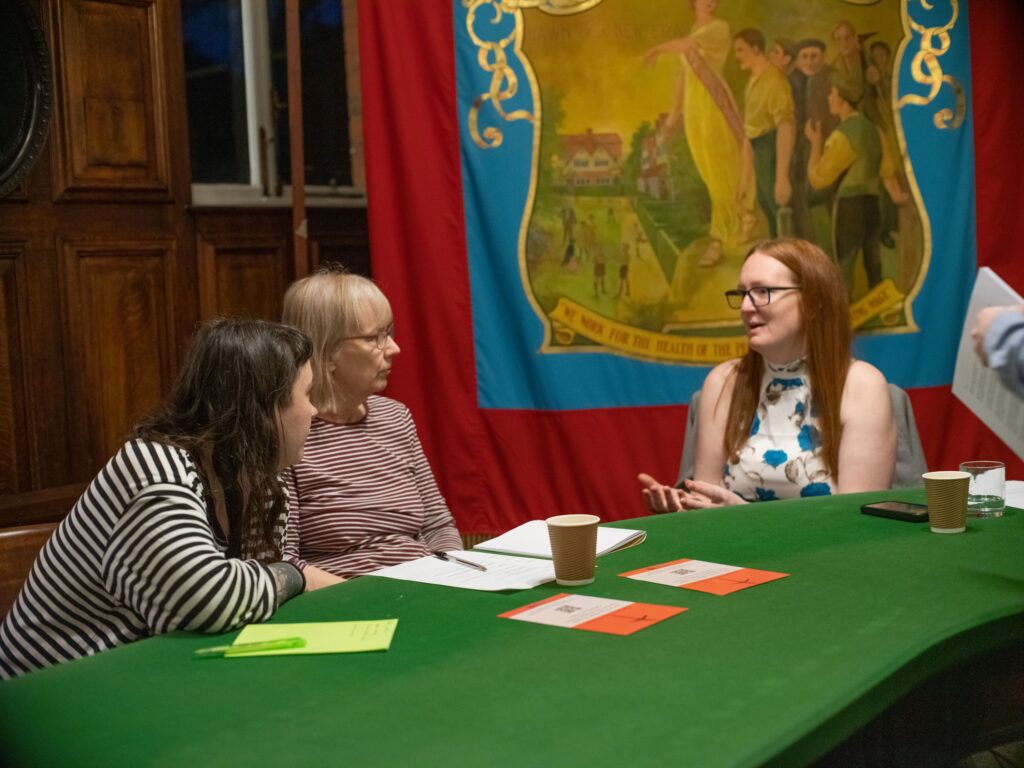
Inspired by Durham’s historic Pitman’s Parliament, the council took part in workshops to learn about energy systems to inform and develop the manifesto.
Key demands of the manifesto ensure the move to cleaner energy benefits communities, creates good jobs, and leaves no one behind.
Guided by the principles of “being good ancestors” and learning from the region’s industrial heritage, the manifesto calls for:
- A future-proofed energy system built on secure, sustainable power
- Government support to ensure no communities are left behind
- Trusted and transparent information about climate progress
- Good-quality green jobs and accessible training
- Legally binding Citizens’ Assemblies on energy policy
The list of the 100 Most Powerful Energy Influencers has been compiled by the North-East climate and education charity, Threads in the Ground, which advocates for community inclusion and a just transition in the shift to renewable energy.
Key influencers on the list include political figures such as the North East Mayor, Kim McGuinness, and Sam Rushworth MP, industry leaders including the Chief Executive of Offshore Energies UK, David Whitehouse, and Vice President of UK Renewables, Equinor, Halfdan Brustad. It also includes Claire Lund, Chief Sustainability Officer at the National Grid.
Also on the list are academics including Fiona Hill, Chancellor of Durham University, and community energy activists, with figures from East Durham Trust and charities such as National Energy Action. Other key figures include leaders from cultural organisations, including Beamish Museum’s CEO Rhiannon Hiles.
The manifesto references the historic role of Durham miners and the Pitman’s Parliament at Redhills, arguing that the North East must once again play a leading role in national energy conversations.
Adam Cooper, Director of Threads in the Ground, said: “The North East is leading the renewable energy transition, and a just transition means ensuring working-class voices help shape what comes next. This is an opportunity to learn from the collapse of Britain’s coal industry, which devastated our communities, in order to not repeat the mistakes of the past. Former miners, workers, and the local community must be consulted so they are not left behind. This new industry is a unique chance to rebuild social connection and community. With the right foundations, extraordinary achievements are possible.”
Coalfield communities built strong social infrastructure, from welfare halls and brass bands to workers’ rights and educational initiatives. The Durham Miners’ Association laid the groundwork for institutions as transformative as the NHS.
The manifesto also explores the region’s renewable energy success stories, such as an offshore wind development at Dogger Bank, geothermal mine water heating projects in Gateshead, world-leading climate research at Durham Energy Institute, and local residents adopting greener technologies, such as air-source heat pumps.
Participants on the Durham Energy Council are from a wide range of backgrounds and experiences, united by a willingness to listen, learn and help shape a better future for generations to come.
Josh Petre, 19, who sits on the Council, said: “I have learnt a lot being part of the Council. We learnt for example from Durham University students on innovations in solar power. This energy transition could create exciting jobs, training and a future for former coal mining communities.”
Alison Paterson, the daughter and granddaughter of miners who runs Blackhall Community Centre also sits on the Council. She said: “The people of County Durham understand energy better than most because our communities helped power Britain for generations. This manifesto is about ensuring that, as we move towards cleaner energy, ordinary people are not ignored. We want a transition that creates opportunities, protects communities and gives future generations a fairer, safer world.”
The Durham Energy Council hopes the manifesto will spark wider public discussion and encourage policymakers, businesses and communities to work together on creating a just and sustainable energy future.
About the Durham Energy Council
30 Durham citizens are taking part as Durham Energy Councillors Durham Energy Council — Threads in the Ground. They have informed the Green Energy Manifesto, which is being sent to politicians, industry leaders, academics, and the public across the North East and nationally, on 8th June at the Pitman’s Parliament.
About Threads in the Ground
Threads in the ground helps people learn from the past to shape the future. They run projects, resources, and meet-ups to help more people to think and talk about climate change in hopeful, playful ways. Threads in the Ground
New Commission Captures the Sound of Coal.
100 Most Powerful Energy Influencers
The list was compiled by Threads in the Ground.
For media enquiries, please contact:
Clair Challenor-Chadwick
Cause & Effect PR
0753 194 8014
clair@causeuk.com
Photo shows North East Mayor Kim McGuiness with volunteers from the Durham Energy Council.